Dish soap by itself rarely clogs a drain in Braintree, MA. Used in normal amounts with running hot water, it rinses through. The trouble starts when soap carries grease down the line, the water cools, and the fat sets along the pipe wall. Soap also will not clear a solid clog, though it can help a slow drain.
So the honest answer is that dish soap is a minor cause and a weak fix. Below is what it actually does inside a drain, how to tell a soap problem from a grease problem, a safe way to try it, and the signs that mean it is time for a cable or a jetter.
What dish soap really does inside a drain
Dish detergent is a surfactant. It breaks grease into small droplets that travel with the water instead of sticking to the pipe. That is useful on the plate and mostly harmless in the drain as long as plenty of water follows it.
The problem is what the soap is carrying. Warm greasy water leaves the sink, cools in the colder pipe run under the floor, and the fat comes out of suspension and coats the wall. Hair, coffee grounds and food bits then stick to that coat. Over months the opening narrows, and the clog looks like a soap problem when the cause is cooking fat.
Where soap helps and where it fails
Think of dish soap as a lubricant and a grease loosener, not a drain opener.
Dish soap can help with.
- A slow kitchen drain with a light grease film.
- A hair and soap ring at the top of a tub drain.
- Loosening a plunger seal on a smooth surface.
- Rinsing a sink after greasy pans, followed by a long run of hot water.
Dish soap will not fix.
- A fully blocked drain with standing water.
- A clog made of food solids, paper or a foreign object.
- Roots or a broken pipe in the main line.
- A drain that backs up into the basement or another fixture.
Which soaps and soap-like products cause trouble
Not every cleaning product behaves the same way in a pipe. This table shows the usual offenders.
| Product | Clog risk | Why. |
|---|---|---|
| Liquid dish soap in normal use. | Low. | Rinses away with water and does not build up by itself. |
| Excess dish soap poured in as a drain treatment. | Low to moderate. | Can push grease further down the pipe where it cools and sets. |
| Bar soap. | Moderate. | Leaves a waxy residue that binds with hair, especially in tubs and showers. |
| Homemade or fat-based soap. | Moderate to high. | Contains the same fats that harden in cool pipes. |
| Pods and powder dishwasher detergent. | Low. | Dissolves, but undissolved clumps can lodge in a dishwasher drain hose. |
Fat, oil and grease from cooking are the real source of most kitchen clogs, and soap just moves them along.
Tried the soap and hot water routine?
If the sink still stands full or other drains gurgle, stop and call (617) 752-0573. Tell the dispatcher which fixtures are affected so the right tool comes on the visit.
What to do before you call: a safe dish soap trial on a slow kitchen drain
This only suits a slow drain, not one that is fully blocked or backing up elsewhere.
Remove what you can reach.
Take out the strainer and any visible food. If you have a garbage disposal, switch it off at the wall before reaching in, and never put a hand into it.
Add soap and very hot water.
Squeeze a good measure of dish soap into the drain, then follow with very hot water from a kettle. Avoid boiling water, which can soften PVC joints and crack older porcelain.
Wait, then plunge.
Give it several minutes, then plunge with a flat-bottom sink plunger. Block the other side of a double sink and the overflow hole so pressure goes at the clog.
Stop if nothing changes.
If water still stands after two rounds, stop. Repeating the same fix only fills the pipe with warm greasy water that sets again. A cable or jetter is the next tool.
Braintree: grease is a known sewer problem
Braintree's Water and Sewer Department rules put grease traps and interceptors under the Board of Health and require restaurants, hotels and similar businesses to install one that the town's Inspector of Plumbing and Gas approves. Residential kitchens have no such trap, so every bit of cooking fat you rinse away goes straight into your own pipe and then into the public sewer.
The practical takeaway is to treat grease the way the Town treats it for businesses: keep it out of the sink. Scrape pans into the trash, let fat cool in a can, and wipe plates before washing. If your house was built before 1980 (about three in four Braintree homes were, per Census data), older cast iron or clay drain lines may roughen and catch grease faster than smooth newer pipe.
When it is time for a cable or a jetter
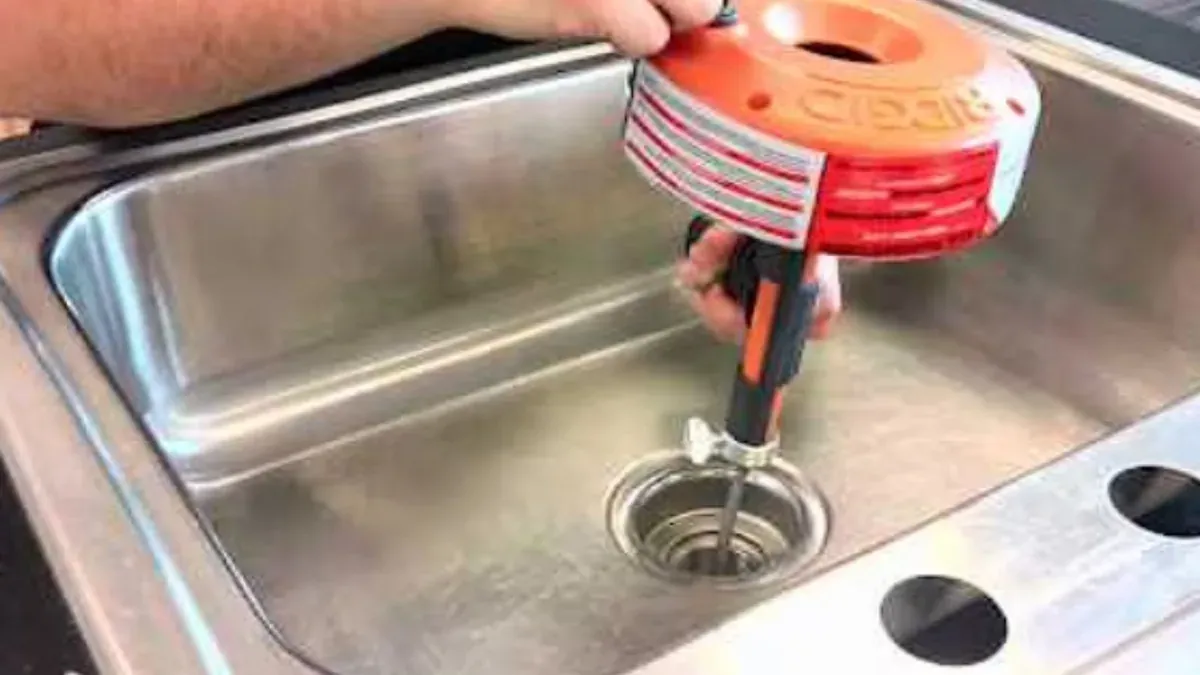
A cable (also called a drain snake) bores a hole through a clog and is the first choice for a single kitchen drain. It restores flow quickly, but it can leave a grease film on the pipe walls. Our drain cleaning page explains how a plumber sizes the cable and what the machine can and cannot reach.
When the same drain slows again within weeks, grease is lining the pipe. A hydro jetting pass scours the wall with high pressure water, and a camera first confirms the pipe can take it. If water backs up in more than one fixture, the problem has moved to the main line and sewer line cleaning is the right conversation.
Habits that keep soap and grease from building up
Small habits do more than any product you pour down the sink.
- Wipe greasy pans with a paper towel before washing.
- Run hot water for a full thirty seconds after washing up.
- Use a fine mesh strainer in the sink.
- Keep fat and oil in a can, never the drain.
- Rinse bar soap residue off tub walls so it does not wash into the trap.
- Flush a slow drain early rather than waiting for it to stop.
Dish soap and drain questions from Braintree homes
It can loosen a light grease film and help a plunger work, but it will not clear a solid blockage. Treat it as a lubricant for a slow drain, not a replacement for a cable.
Rarely on its own. Large amounts can create excess suds and push greasy water further down the pipe where it cools and sets. The cause is usually the grease the soap carried, not the soap itself.
Warm fat leaves the sink as liquid and sets in the cooler pipe below. Over time it narrows the line. A drain cleaning pass and a change in how you handle pan grease usually fixes it.
Usually yes for tubs and showers, because bar soap leaves a waxy residue that binds with hair. Rinse the tub walls and use a hair catcher to cut down on buildup.
No. Very hot tap or kettle water works without the risk of softening PVC joints or cracking porcelain. If very hot water does not help, the clog needs a tool.
Town rules put grease traps and interceptors for restaurants and similar businesses under the Board of Health with plumbing inspector approval. Homes have no trap, so the best protection is keeping grease out of the sink.